
StolenWindows
kiwifarms.net
- Dołączono
- 1 Sie 2025
Sethian Gnostics believed in a more literal interpretation of Kabbalah (it was structurally identical), while the Valentinians believed in the Messiah. The Essenes who wrote the Dead Sea Scrolls believed in two messiah's while the Pharisees rejected Jesus. The Essenes were also very similar in dualist beliefs to the Kabbalists/Gnostics. They even had their own version of the Sefer Yetzirah (Tree of Life). Its rumored John the Baptist had ties to them. Origen believed in a more metaphoric interpretation of the Bible. He actually cut his dick and balls off in front of a nun to avoid suspicion of scandal while teaching women.

Lots of the early church (including Valentinus and Basilides) were eunuchs. Also, he believed in universalism in that everyone would eventually be reconciled to heaven (even Satan). Kabbalah believes that hell (Gehenna) is temporary and only lasts up to 12 months. Juang Xueqin had a good lecture on it. It matches current science.
Gnosticism is basically panentheism. Think of a surge protector and a wall outlet. Just energy itself doesn't work, you need a power source (God). Everything is energy. Atheism says, you can plug the surge protector into itself and it'll work. Pantheism/solipsism/stoicism says the wall outlet and surge protector are the same thing. Theism says the wall outlet can manipulate the surge protector by itself and do other stuff wall outlets are never observed to do when charging a surge protector.
1 Timothy 2:3–6 – “God our Savior… desires all people to be saved and come to the knowledge of the truth… Christ Jesus gave himself as a ransom for all.”
1 Corinthians 15:22–28 – “For as in Adam all die, so also in Christ shall all be made alive… then comes the end, when he delivers the kingdom to God the Father… that God may be all in all.”
Romans 5:18 – “As one trespass led to condemnation for all men, so one act of righteousness leads to justification and life for all men.”
John 12:32 – “When I am lifted up from the earth, I will draw all people to myself.”
Philippians 2:9–11 – Every knee bows and every tongue confesses Jesus is Lord (echo of Isaiah 45:23, where God swears this is voluntary worship, not coerced).
Colossians 1:19–20 – “Through him to reconcile to himself all things, whether on earth or in heaven, making peace by the blood of his cross.”
Titus 2:11 – “The grace of God has appeared, bringing salvation to all people.”
Lamentations 3:31–33 – “The Lord will not cast off forever… he will have compassion according to the abundance of his steadfast love.”
Psalm 30:5 – “His anger is but for a moment, his favor is for a lifetime.”
Isaiah 25:6–8 – Prophecy of God swallowing up death forever and wiping away tears from all faces.
1 Corinthians 3:12–15 – Fire tests works, but “he himself will be saved, though as through fire.” This suggests purification, not endless torment.
The word “eternal” (aiōnios, Greek)
Often translated as “eternal” or “everlasting,” but its root is aiōn = “age, eon, world.”
Example: Matthew 25:46, “eternal punishment” (kolasis aiōnios).
Kolasis means corrective/pruning punishment (as opposed to timōria = retributive punishment).
Aiōnios = “of the age” or “age-long,” not necessarily unending.
Contrast: Romans 16:25 speaks of the “mystery kept secret for eternal times (chronois aiōniois) but now revealed”—clearly not “forever” since it ended in revelation.
So “everlasting punishment” could just as well mean “punishment belonging to the coming age,” not infinite hell.
The Hebrew word ‘olam (עֹלָם)
Translated as “forever/eternal,” but literally means “hidden, indefinite, beyond the horizon.”
Jonah 2:6 – Jonah was in the fish “forever” (le-olam)—but it was only 3 days.
Exodus 40:15 – Aaron’s priesthood is an “everlasting” priesthood—yet it ended with Christ.
Shows that “forever” in Hebrew often means “a long time, until the end of an age,” not metaphysical endlessness.
Greek pantes (πάντες) = “all, everyone” – used in salvation passages (Rom 5, 1 Cor 15).
Greek ta panta (τὰ πάντα) = “the all, everything” – used in Col 1:20 where all things are reconciled.
The NT authors don’t qualify these words unless they mean to (contrast with “many” where distinction is made).
The Greek word kolasis (punishment, Matt 25:46) originally meant “pruning” (like pruning a tree). It carried the sense of correction, not destruction.
Early universalists (like Clement of Alexandria) leaned on this nuance.
Origen (3rd c.) – Saw hell as a refining fire, not an eternal torture chamber.
Gregory of Nyssa (4th c.) – Taught apokatastasis (“restoration of all things”), citing Acts 3:21.
Isaac of Nineveh (7th c.) – Argued God’s punishments are remedial, not infinite vengeance.
Gnostics believe that there are two Gods - Yahweh (Yaldabaoth) and Bythos (Theos/Pater in Greek NT).

They believe that this world is evil (1 John 2) and that it was created after Goddess Sophia (Chokhmah/Wisdom) fell in Ezekiel 28:11-19 and Isaiah 14:12-17 and got entangled in matter while trying to know the unknowable source (she is "the bride of Christ" in Isaiah 54:5-8; also mentioned in Proverbs 8, Wisdom of Solomon 7-9, and the entire book of Sirach). She is the spiritual form of Mary Immaculate/Virgin Mary, Mary Magdalene (who is sometimes even called "Mary Sophia") and even Martha. Just as Jesus is called "the second Adam" (see Adamas in Gnostic texts and Adam Kadmon in Kabbalah), Sophia is the Eve (aka Goddess Zoe).
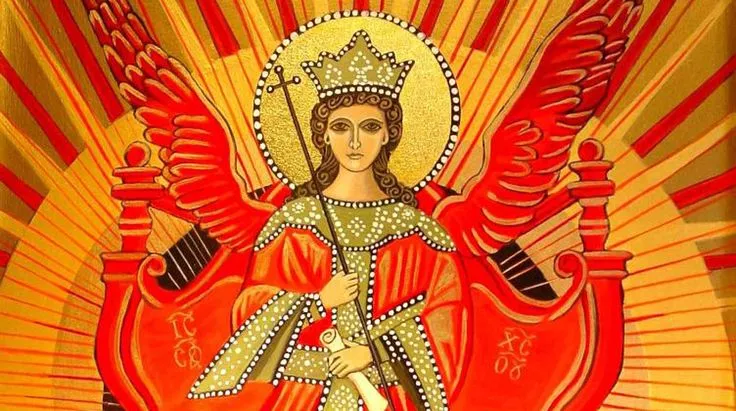
Also, Gnostics are heavy proponents of cyclical creation (shemitot in Kabbalah, Yinyang in Taoism, Ekpyrotic theory in physics). This is basically what we see now in physics today with string theory and quantum simulation.
Point is, if everything carries that "divine spark" then why would God condemn himself? And while it is true that the apostles did cite the Jewish scriptures, but there’s a deeper question of how they used them. They often reinterpreted the OT radically — sometimes even in ways that inverted its plain meaning. For example, Paul allegorizes Hagar and Sarah (Galatians 4:21–31), treating the law itself as bondage. Jesus, too, often challenged or overturned literal OT commandments (‘you have heard it said… but I say to you,’ Matthew 5).
From a Gnostic perspective, this shows the apostles weren’t affirming the OT on its own terms, but rather using it as a foil or symbolic framework to reveal something higher. That’s why Paul can simultaneously quote the OT yet still call the ‘god of this world’ (2 Cor 4:4) something opposed to the true Father of Christ.
So yes, the apostles used the OT — but not because it was the ultimate authority. They used it to point beyond itself, to disclose hidden truth. And that’s precisely the Gnostic claim: the OT contains fragments and shadows, but its surface meaning reflects the flawed cosmos, not the fullness of the Pleroma.
Also, the NT wasn't finished being written until the 4th century AD, so when Christians call Gnostic / pseudo-Gnostic texts like the Gospel of Thomas and Mary from the 2nd century "later works" it is intellectually dishonest. Simon Magus from Acts 8 was alive during the 1st century when the Apostles were, and the Sethians were around before Christianity was.


Lots of the early church (including Valentinus and Basilides) were eunuchs. Also, he believed in universalism in that everyone would eventually be reconciled to heaven (even Satan). Kabbalah believes that hell (Gehenna) is temporary and only lasts up to 12 months. Juang Xueqin had a good lecture on it. It matches current science.
Gnosticism is basically panentheism. Think of a surge protector and a wall outlet. Just energy itself doesn't work, you need a power source (God). Everything is energy. Atheism says, you can plug the surge protector into itself and it'll work. Pantheism/solipsism/stoicism says the wall outlet and surge protector are the same thing. Theism says the wall outlet can manipulate the surge protector by itself and do other stuff wall outlets are never observed to do when charging a surge protector.
1 Timothy 2:3–6 – “God our Savior… desires all people to be saved and come to the knowledge of the truth… Christ Jesus gave himself as a ransom for all.”
1 Corinthians 15:22–28 – “For as in Adam all die, so also in Christ shall all be made alive… then comes the end, when he delivers the kingdom to God the Father… that God may be all in all.”
Romans 5:18 – “As one trespass led to condemnation for all men, so one act of righteousness leads to justification and life for all men.”
John 12:32 – “When I am lifted up from the earth, I will draw all people to myself.”
Philippians 2:9–11 – Every knee bows and every tongue confesses Jesus is Lord (echo of Isaiah 45:23, where God swears this is voluntary worship, not coerced).
Colossians 1:19–20 – “Through him to reconcile to himself all things, whether on earth or in heaven, making peace by the blood of his cross.”
Titus 2:11 – “The grace of God has appeared, bringing salvation to all people.”
Lamentations 3:31–33 – “The Lord will not cast off forever… he will have compassion according to the abundance of his steadfast love.”
Psalm 30:5 – “His anger is but for a moment, his favor is for a lifetime.”
Isaiah 25:6–8 – Prophecy of God swallowing up death forever and wiping away tears from all faces.
1 Corinthians 3:12–15 – Fire tests works, but “he himself will be saved, though as through fire.” This suggests purification, not endless torment.
The word “eternal” (aiōnios, Greek)
Often translated as “eternal” or “everlasting,” but its root is aiōn = “age, eon, world.”
Example: Matthew 25:46, “eternal punishment” (kolasis aiōnios).
Kolasis means corrective/pruning punishment (as opposed to timōria = retributive punishment).
Aiōnios = “of the age” or “age-long,” not necessarily unending.
Contrast: Romans 16:25 speaks of the “mystery kept secret for eternal times (chronois aiōniois) but now revealed”—clearly not “forever” since it ended in revelation.
So “everlasting punishment” could just as well mean “punishment belonging to the coming age,” not infinite hell.
The Hebrew word ‘olam (עֹלָם)
Translated as “forever/eternal,” but literally means “hidden, indefinite, beyond the horizon.”
Jonah 2:6 – Jonah was in the fish “forever” (le-olam)—but it was only 3 days.
Exodus 40:15 – Aaron’s priesthood is an “everlasting” priesthood—yet it ended with Christ.
Shows that “forever” in Hebrew often means “a long time, until the end of an age,” not metaphysical endlessness.
Greek pantes (πάντες) = “all, everyone” – used in salvation passages (Rom 5, 1 Cor 15).
Greek ta panta (τὰ πάντα) = “the all, everything” – used in Col 1:20 where all things are reconciled.
The NT authors don’t qualify these words unless they mean to (contrast with “many” where distinction is made).
The Greek word kolasis (punishment, Matt 25:46) originally meant “pruning” (like pruning a tree). It carried the sense of correction, not destruction.
Early universalists (like Clement of Alexandria) leaned on this nuance.
Origen (3rd c.) – Saw hell as a refining fire, not an eternal torture chamber.
Gregory of Nyssa (4th c.) – Taught apokatastasis (“restoration of all things”), citing Acts 3:21.
Isaac of Nineveh (7th c.) – Argued God’s punishments are remedial, not infinite vengeance.
Gnostics believe that there are two Gods - Yahweh (Yaldabaoth) and Bythos (Theos/Pater in Greek NT).
They believe that this world is evil (1 John 2) and that it was created after Goddess Sophia (Chokhmah/Wisdom) fell in Ezekiel 28:11-19 and Isaiah 14:12-17 and got entangled in matter while trying to know the unknowable source (she is "the bride of Christ" in Isaiah 54:5-8; also mentioned in Proverbs 8, Wisdom of Solomon 7-9, and the entire book of Sirach). She is the spiritual form of Mary Immaculate/Virgin Mary, Mary Magdalene (who is sometimes even called "Mary Sophia") and even Martha. Just as Jesus is called "the second Adam" (see Adamas in Gnostic texts and Adam Kadmon in Kabbalah), Sophia is the Eve (aka Goddess Zoe).
Also, Gnostics are heavy proponents of cyclical creation (shemitot in Kabbalah, Yinyang in Taoism, Ekpyrotic theory in physics). This is basically what we see now in physics today with string theory and quantum simulation.
Point is, if everything carries that "divine spark" then why would God condemn himself? And while it is true that the apostles did cite the Jewish scriptures, but there’s a deeper question of how they used them. They often reinterpreted the OT radically — sometimes even in ways that inverted its plain meaning. For example, Paul allegorizes Hagar and Sarah (Galatians 4:21–31), treating the law itself as bondage. Jesus, too, often challenged or overturned literal OT commandments (‘you have heard it said… but I say to you,’ Matthew 5).
From a Gnostic perspective, this shows the apostles weren’t affirming the OT on its own terms, but rather using it as a foil or symbolic framework to reveal something higher. That’s why Paul can simultaneously quote the OT yet still call the ‘god of this world’ (2 Cor 4:4) something opposed to the true Father of Christ.
So yes, the apostles used the OT — but not because it was the ultimate authority. They used it to point beyond itself, to disclose hidden truth. And that’s precisely the Gnostic claim: the OT contains fragments and shadows, but its surface meaning reflects the flawed cosmos, not the fullness of the Pleroma.
Also, the NT wasn't finished being written until the 4th century AD, so when Christians call Gnostic / pseudo-Gnostic texts like the Gospel of Thomas and Mary from the 2nd century "later works" it is intellectually dishonest. Simon Magus from Acts 8 was alive during the 1st century when the Apostles were, and the Sethians were around before Christianity was.
Ostatnio edytowane:


