Suggested I&T threads to sperg:
https://kiwifarms.st/threads/sideloading-general.209934/
https://kiwifarms.st/threads/android-hate-thread.175965/
https://kiwifarms.st/threads/your-current-and-next-phone.103205/
Google says it's no different than checking IDs at the airport.
Ryan Whitwam – Aug 25, 2025
Android's open nature set it apart from the iPhone as the era of touchscreen smartphones began nearly two decades ago. Little by little, Google has traded some of that openness for security, and its next security initiative could make the biggest concessions yet in the name of blocking bad apps. Google has announced plans to begin verifying the identities of all Android app developers, and not just those publishing on the Play Store. Google intends to verify developer identities no matter where they offer their content, and apps without verification won't work on most Android devices in the coming years.
Google used to do very little curation of the Play Store (or Android Market, if you go back far enough), but it has long sought to improve the platform's reputation as being less secure than the Apple App Store. Years ago, you could publish actual exploits in the official store to gain root access on phones, but now there are multiple reviews and detection mechanisms to reduce the prevalence of malware and banned content. While the Play Store is still not perfect, Google claims apps sideloaded from outside its store are 50 times more likely to contain malware.
This, we are led to believe, is the impetus for Google's new developer verification system. The company describes it like an "ID check at the airport." Since requiring all Google Play app developers to verify their identities in 2023, it has seen a precipitous drop in malware and fraud. Bad actors in Google Play leveraged anonymity to distribute malicious apps, so it stands to reason that verifying app developers outside of Google Play could also enhance security.
However, making that happen outside of its app store will require Google to take a page from Apple's playbook and flex its muscle in a way many Android users and developers could find intrusive. Google plans to create a streamlined Android Developer Console, which devs will use if they plan to distribute apps outside of the Play Store. After verifying their identities, developers will have to register the package name and signing keys of their apps. Google won't check the content or functionality of the apps, though.
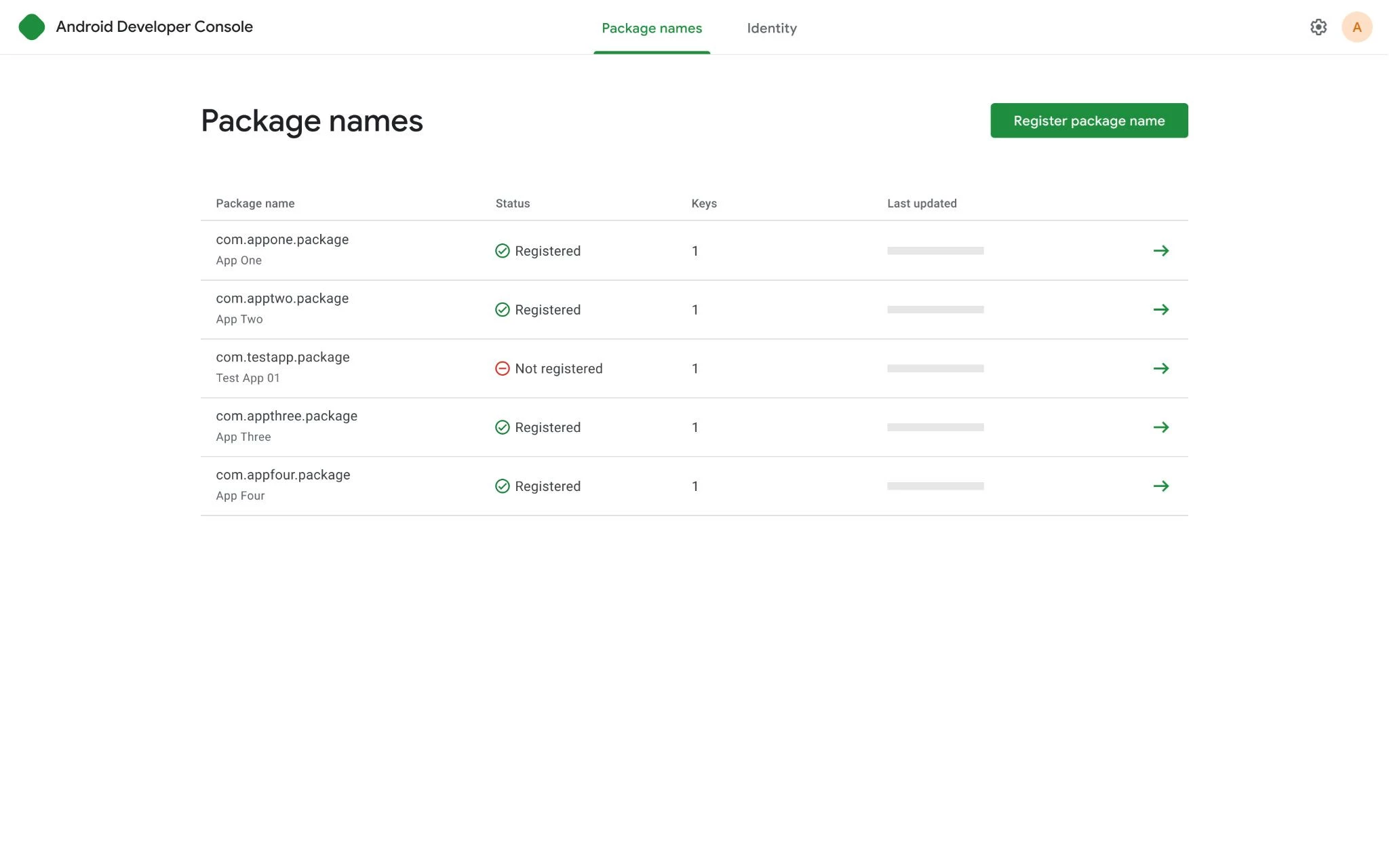
An early look at the streamlined Android Developer Console for sideloaded apps.
Google says that only apps with verified identities will be installable on certified Android devices, which is virtually every Android-based device—if it has Google services on it, it's a certified device. If you have a non-Google build of Android on your phone, none of this applies. However, that's a vanishingly small fraction of the Android ecosystem outside of China.
Google plans to begin testing this system with early access in October of this year. In March 2026, all developers will have access to the new console to get verified. In September 2026, Google plans to launch this feature in Brazil, Indonesia, Singapore, and Thailand. The next step is still hazy, but Google is targeting 2027 to expand the verification requirements globally.
Among other things, the court has ordered that Google must distribute third-party app stores and allow Play Store content to be rehosted in other storefronts. Giving people more ways to get apps could increase choice, which is what Epic and other developers wanted. However, third-party sources won't have the deep system integration of the Play Store, which means users will be sideloading these apps without Google's layers of security.
It's hard to say how much of a genuine security problem this is. On one hand, it makes sense Google would be concerned—most of the major malware threats to Android devices spread via third-party app repositories. However, enforcing an installation whitelist across almost all Android devices is heavy handed. This requires everyone making Android apps to satisfy Google's requirements before virtually anyone will be able to install their apps, which could help Google retain control as the app market opens up. While the requirements may be minimal right now, there's no guarantee they will stay that way.
The documentation currently available doesn't explain what will happen if you try to install a non-verified app, nor how phones will check for verification status. Presumably, Google will implement this whitelist in Play Services as the implementation date approaches. We've reached out for details on that front and will report if we hear anything.
https://kiwifarms.st/threads/sideloading-general.209934/
https://kiwifarms.st/threads/android-hate-thread.175965/
https://kiwifarms.st/threads/your-current-and-next-phone.103205/
Google says it's no different than checking IDs at the airport.
Ryan Whitwam – Aug 25, 2025
Android's open nature set it apart from the iPhone as the era of touchscreen smartphones began nearly two decades ago. Little by little, Google has traded some of that openness for security, and its next security initiative could make the biggest concessions yet in the name of blocking bad apps. Google has announced plans to begin verifying the identities of all Android app developers, and not just those publishing on the Play Store. Google intends to verify developer identities no matter where they offer their content, and apps without verification won't work on most Android devices in the coming years.
Google used to do very little curation of the Play Store (or Android Market, if you go back far enough), but it has long sought to improve the platform's reputation as being less secure than the Apple App Store. Years ago, you could publish actual exploits in the official store to gain root access on phones, but now there are multiple reviews and detection mechanisms to reduce the prevalence of malware and banned content. While the Play Store is still not perfect, Google claims apps sideloaded from outside its store are 50 times more likely to contain malware.
This, we are led to believe, is the impetus for Google's new developer verification system. The company describes it like an "ID check at the airport." Since requiring all Google Play app developers to verify their identities in 2023, it has seen a precipitous drop in malware and fraud. Bad actors in Google Play leveraged anonymity to distribute malicious apps, so it stands to reason that verifying app developers outside of Google Play could also enhance security.
However, making that happen outside of its app store will require Google to take a page from Apple's playbook and flex its muscle in a way many Android users and developers could find intrusive. Google plans to create a streamlined Android Developer Console, which devs will use if they plan to distribute apps outside of the Play Store. After verifying their identities, developers will have to register the package name and signing keys of their apps. Google won't check the content or functionality of the apps, though.
An early look at the streamlined Android Developer Console for sideloaded apps.
Google says that only apps with verified identities will be installable on certified Android devices, which is virtually every Android-based device—if it has Google services on it, it's a certified device. If you have a non-Google build of Android on your phone, none of this applies. However, that's a vanishingly small fraction of the Android ecosystem outside of China.
Google plans to begin testing this system with early access in October of this year. In March 2026, all developers will have access to the new console to get verified. In September 2026, Google plans to launch this feature in Brazil, Indonesia, Singapore, and Thailand. The next step is still hazy, but Google is targeting 2027 to expand the verification requirements globally.
A seismic shift
This plan comes at a major crossroads for Android. The ongoing Google Play antitrust case brought by Epic Games may finally force changes to Google Play in the coming months. Google lost its appeal of the verdict several weeks ago, and while it plans to appeal the case to the US Supreme Court, the company will have to begin altering its app distribution scheme, barring further legal maneuvering.Among other things, the court has ordered that Google must distribute third-party app stores and allow Play Store content to be rehosted in other storefronts. Giving people more ways to get apps could increase choice, which is what Epic and other developers wanted. However, third-party sources won't have the deep system integration of the Play Store, which means users will be sideloading these apps without Google's layers of security.
It's hard to say how much of a genuine security problem this is. On one hand, it makes sense Google would be concerned—most of the major malware threats to Android devices spread via third-party app repositories. However, enforcing an installation whitelist across almost all Android devices is heavy handed. This requires everyone making Android apps to satisfy Google's requirements before virtually anyone will be able to install their apps, which could help Google retain control as the app market opens up. While the requirements may be minimal right now, there's no guarantee they will stay that way.
The documentation currently available doesn't explain what will happen if you try to install a non-verified app, nor how phones will check for verification status. Presumably, Google will implement this whitelist in Play Services as the implementation date approaches. We've reached out for details on that front and will report if we hear anything.


